

At the end of each year, I do a review reflecting on my personal favorite books I read in the past year. (See my full “My Year in Books: 2025” list on Goodreads.) I’ve picked my top 12 personal favorite reads from 2025. I managed to surpass my goal for the year by only one book, reading 46 total. A pretty good year!
Top 12
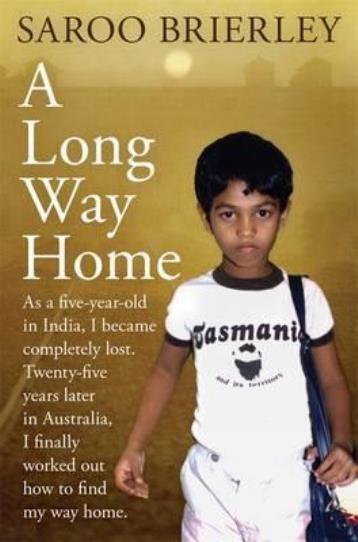
12. A Long Way Home by Saroo Brierly. Brierly tells the true story of how he got separated from his mother in India when he was only five years old and ended up adopted by Australian parents—and how he incredibly found his family again 25 years later. A tragic and heartwarming story.
“I feel strongly that from my being a little lost boy with no family to becoming a man with two, everything was meant to happen just the way it happened. And I am profoundly humbled by that thought.”
―Saroo Brierley, A Long Way Home
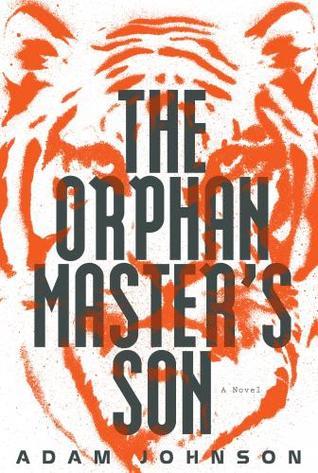
11. The Orphan Master’s Son by Adam Johnson. This novel is a sweeping exploration at life under the repressive and totalitarian regime in North Korea through the eyes of Pak Jun Do, who rises through the ranks as spy and kidnapper.
“‘A name isn’t a person,’ Ga said. ‘Don’t ever remember someone by their name. To keep someone alive, you put them inside you, you put their face on your heart. Then, no matter where you are, they’re always with you because they’re a part of you.’”
―Adam Johnson, The Orphan Master’s Son
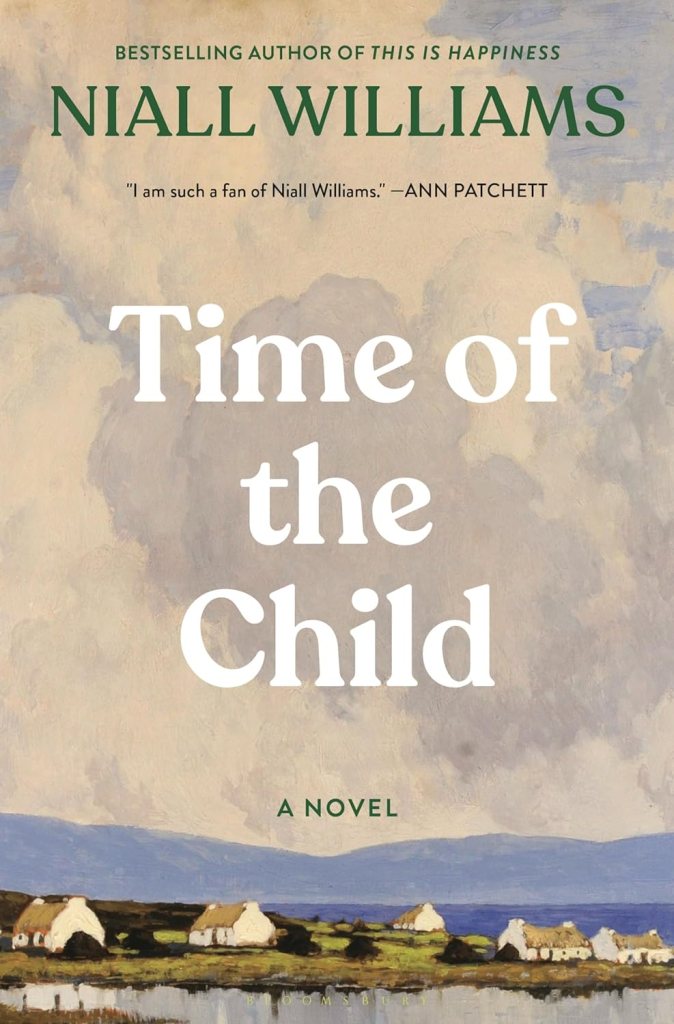
10. Time of the Child by Niall Williams. Williams pens a heartwarming Christmastime novel about a doctor and his daughter living in the small Irish town of Faha, whose lives are turned upside down when a baby enters their care.
“[A]lthough he was aware it was a kind of madness to believe it, he would come to think that in that day maybe every ordinary thing was a sign.”
―Niall Williams, Time of the Child

9. Peace Like a River by Leif Enger. This is a tale of Reuben Land, his father Jeremiah, and sister Swede, who trek across the Dakotas looking for their fugitive brother Davy, who has been charged with the murder of two bullies who had antagonized their family. Beautifully written.
“Real miracles bother people, like strange sudden pains unknown in medical literature. It’s true: They rebut every rule all we good citizens take comfort in. Lazarus obeying orders and climbing up out of the grave—now there’s a miracle, and you can bet it upset a lot of folks who were standing around at the time. When a person dies, the earth is generally unwilling to cough him back up. A miracle contradicts the will of the earth.”
―Leif Enger, Peace Like a River
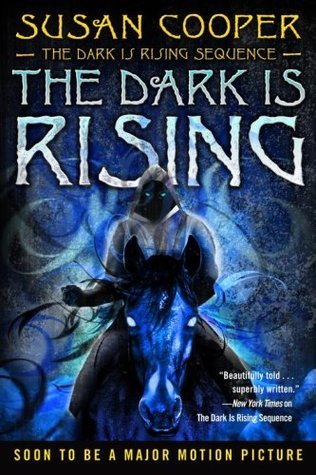
8. The Dark Is Rising by Susan Cooper. This is actually the second book in The Dark Is Rising Sequence, of which there are five books total—and in my opinion—the best of the series. They are a set of classic children’s/YA fantasy books about the forces of good and evil that draw heavily on Arthurian legend, Celtic mythology, and other folklore of the British Isles. This entry follows protagonist Will Stanton after he finds out he’s one of the Old Ones who must guard the Light and go on a quest to find the Things of Power.
“It is a burden . . . [M]ake no mistake about that. Any great gift or power or talent is a burden and this more than any, and you will long to be free of it. But there is nothing to be done. If you were born with the gift, then you must serve it, and nothing in this world or out of it may stand in the way of that service, because that is why you were born and that is the Law.”
―Susan Cooper, The Dark Is Rising
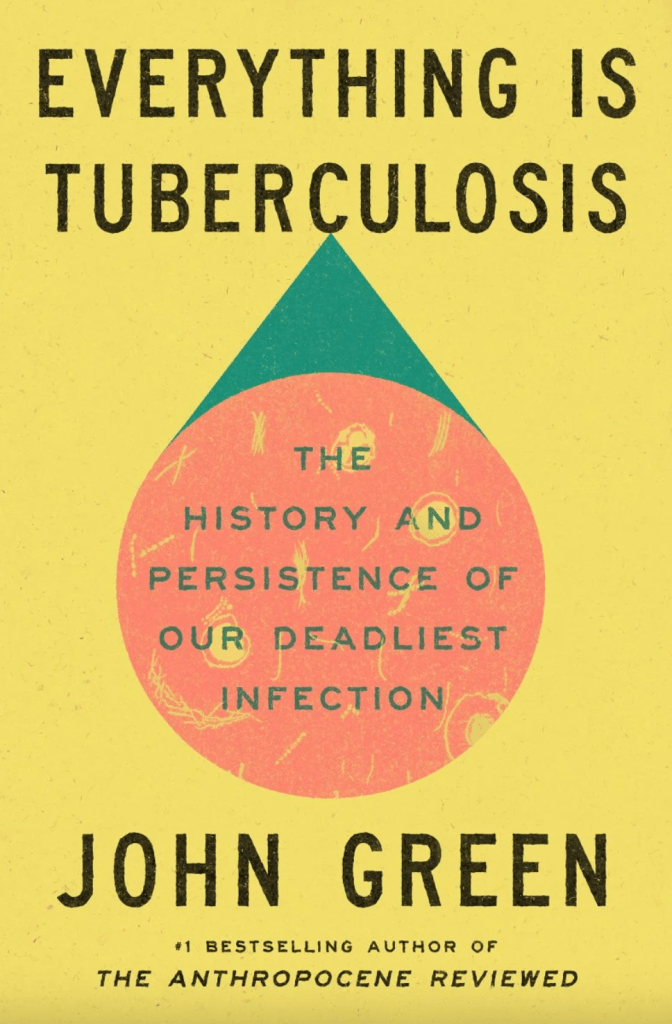
7. Everything is Tuberculosis: The History and Persistence of Our Deadliest Infection by John Green. Green summarizes the history of tuberculosis, one of humanity’s oldest maladies, interspersing it with personal stories but more importantly points to all the reasons why it should have been eradicated by now—and that the fact that it’s not is a choice we as humans are making.
“It reminded me, that when we know about suffering, when we are proximal to it, we are capable of extraordinary generosity. We can do and be so much for each other. But only when we see one another in our full humanity. Not as statistics or problems, but as people who deserve to be alive in the world.”
―John Green, Everything Is Tuberculosis: The History and Persistence of Our Deadliest Infection
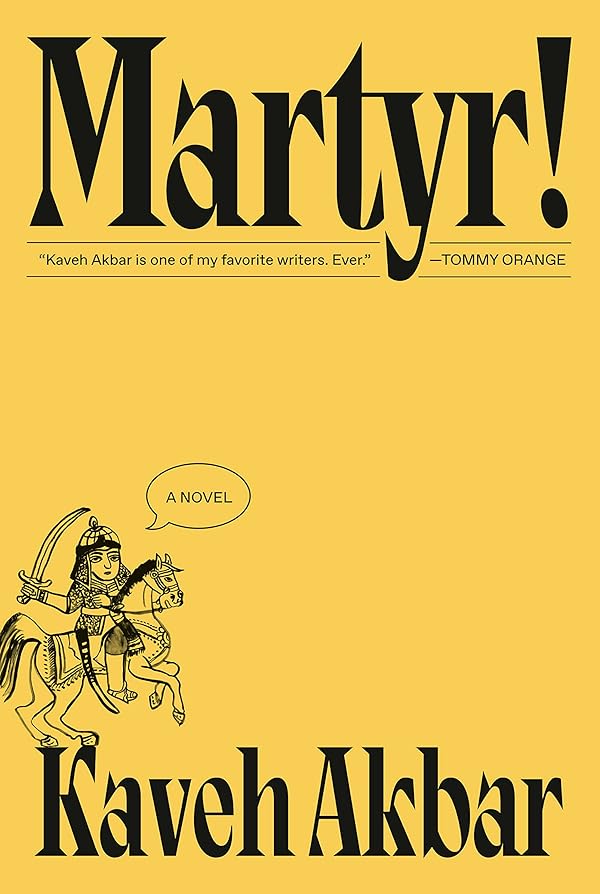
6. Martyr! by Kaveh Akbar. A young man named Cyrus tells his story as the son of Iranian immigrants in America. He’s a drunk and addict, obsessed with the story of martyrs, searching for the meaning behind his mother’s tragic death in a plane crash. Funny and irreverent but thought provoking.
“Eight of the ten commandments are about what thou shalt not. But you can live a whole life not doing any of that stuff and still avoid doing any good. That’s the whole crisis. The rot at the root of everything. The belief that goodness is built on a constructed absence, not-doing. That belief corrupts everything, has everyone with any power sitting on their hands.”
―Kaveh Akbar, Martyr!

5. Enough is Enuf: Our Failed Attempts to Make English Eezier to Spell by Gabe Henry. Most English speakers at some point in their lives question why English is spelled so weirdly. Henry dives into the interesting history of spelling reform. If you’re a lover of all things words, this book is absolutely fascinating.
“If simplified spelling could (in the right hands) become a tool for social change, it could also (in the wrong hands) become a weapon against it.”
―Gabe Henry, Enough Is Enuf: Our Failed Attempts to Make English Eezier to Spell
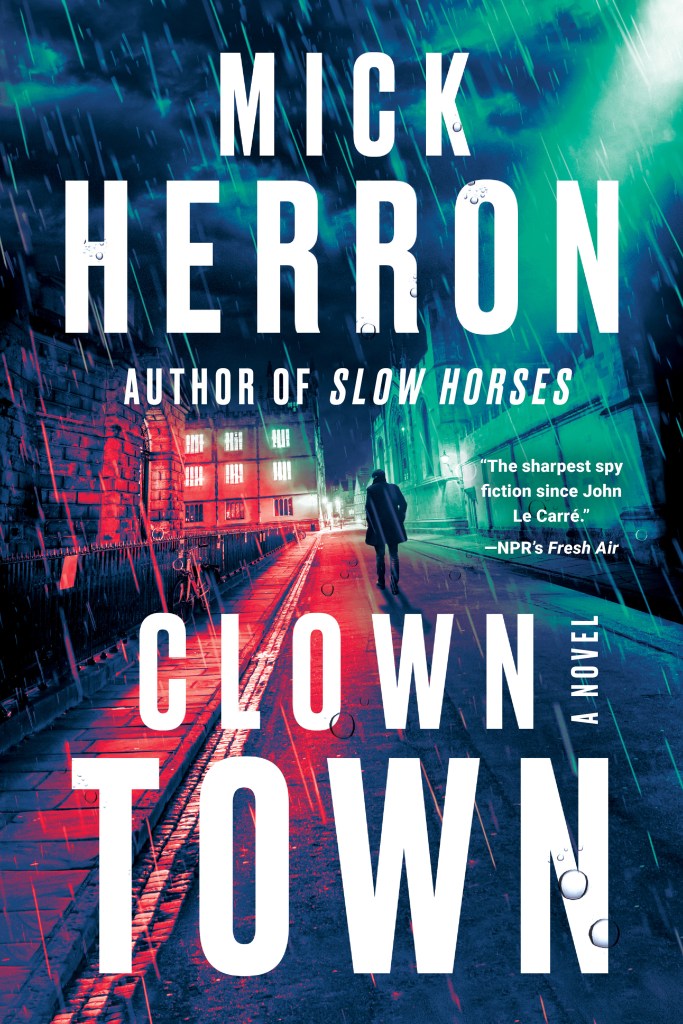
4. Clown Town by Mick Herron. This is the ninth installment in the Slough House series (the series behind the AppleTV hit, “Slow Horses”), and perhaps one of the biggest cliffhangers yet. Herron knocks it out of the “Park” again (pun intended?). These books are so clever and full of wit. I breeze through these books—which means I like it a lot!
“Mentors taught you . . . Love them or hate them, they’re yours for good. You’re bound to them by barbed wire, and no point trying to escape it. . . . Their sins are yours, because you mould them.”
―Mick Herron, Clown Town
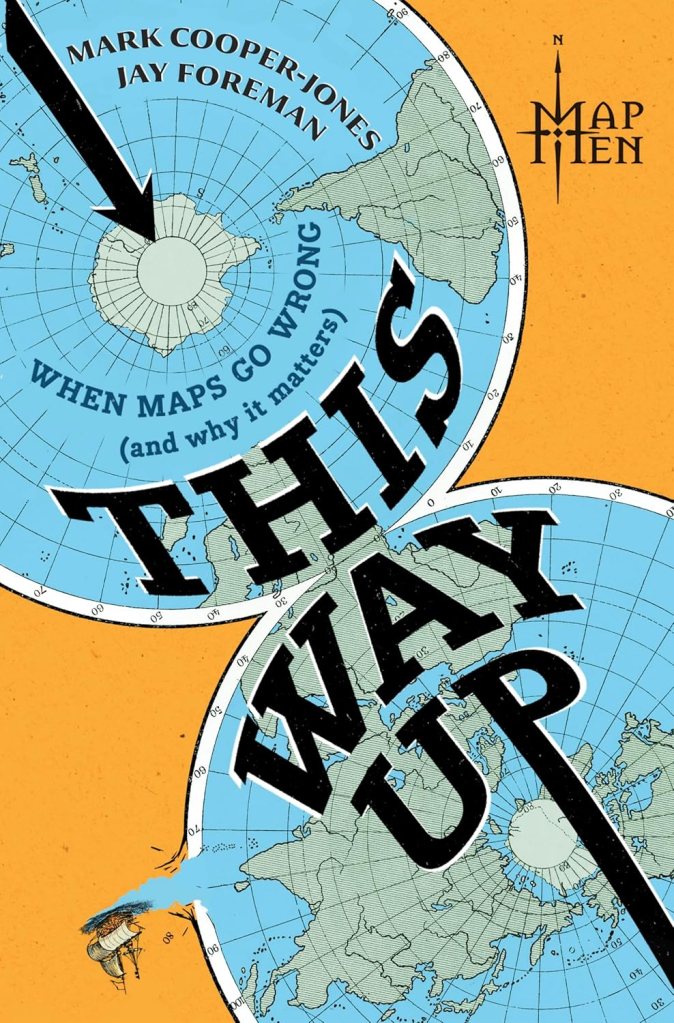
3. This Way Up: When Maps Go Wrong (and Why It Matters) by Jay Foreman and Mark Cooper-Jones. I love the Map Men videos on Foreman and Cooper-Jones’ YouTube channel. They’re humor is plain hilarious to me. But I also learn a lot from their fast-paced and quick-witted videos. This book sort of reads like a compendium of Map Men scripts, but it’s very very well done and so creative! As a book designer myself, I admire it also for the print version’s typography alone. (I’m certain the audiobook version is well worth it.)
“Is a globe a map? No, it’s a globe.”
—Jay Foreman and Mark Cooper-Jones, This Way Up: When Maps Go Wrong (and Why It Matters)
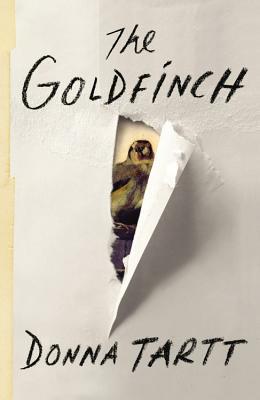
2. The Goldfinch by Donna Tartt. *Sigh* I love a great long novel that is immersive. When I’m in the right mood, this is my ideal kind of book. I love Tartt’s The Secret History, and The Goldfinch is right up there. Tartt’s writing to me is gorgeous. (I know I’m about 6 or 7 years behind the times on finally getting to read this one, but do I get extra points for having seen the titular painting in real life at the Mauritshuis museum in Den Haag?)
“Caring too much for objects can destroy you. Only—if you care for a thing enough, it takes on a life of its own, doesn’t it? And isn’t the whole point of things—beautiful things—that they connect you to some larger beauty?”
―Donna Tartt, The Goldfinch

1. Hell Bent: How the Fear of Hell Holds Christians Back from a Spirituality of Love by Brian Recker. I picked this one as my top book for the year because it’s one that I can’t stop thinking about. Growing up evangelical, hell is a BIG deal, maybe one of the biggest. But it’s a topic that’s rarely broached in depth or questioned. Some people may roll their eyes at “deconstruction” genre books, but I think it’s a really healthy thing for anyone to examine and re-examine their beliefs, even their deepest held ones. Recker carefully dismantles a lot of the theological talking points and beliefs about hell, and why evangelicals and other Christians have it all wrong.
“So many Christians, especially evangelicals, tend to make the Bible about the afterlife, which causes them to interpret everything Jesus said to be about heaven or hell. But really, the Bible is about this life. The narrow gate isn’t about going to heaven, and the wide gate isn’t about going to hell. It’s about treating people in this world the way we would want to be treated.”
― Brian Recker, Hell Bent: How the Fear of Hell Holds Christians Back from a Spirituality of Love
* * *
Honorable Mentions:
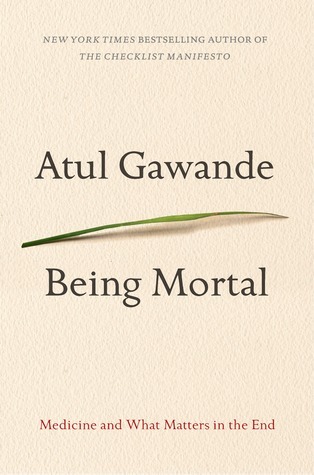
- Being Mortal: Medicine and What Matters in the End by Atul Gawande. A fascinating look at end-of-life care.
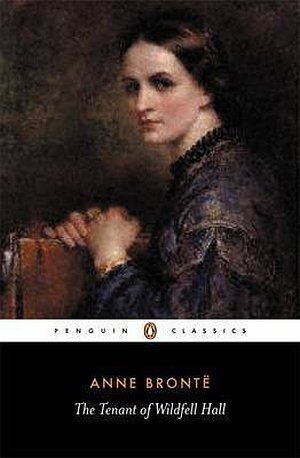
- The Tenant of Wildfell Hall by Anne Brontë. I occasionally like to read 19th-century novels, and Anne was the last Brontë sister I had not read anything from.
- The Luminaries by Eleanor Catton. I loved the 19th-century New Zealand setting and liked Catton’s other book, Birnam Wood, but this one dragged out a bit too much. I did like it overall though.

* * *
A few remaining categories . . .
- Series I read or continued:
- The Dark Is Rising by Susan Cooper
- Leaphorn & Chee by Tony Hillerman
- Slough House (“Slow Horses”) by Mick Herron
- Worst: Such Good Work by Johannes Lichtman. This one just fell flat for me. I’m not sure I remember much of it, and that’s probably a good thing.
- Most challenging: The Luminaries by Eleanor Catton or The Goldfinch by Donna Tartt. Mostly due to length.
- Funniest: This Way Up: When Maps Go Wrong (and Why It Matters) by Jay Foreman and Mark Cooper-Jones; Bad Law: Ten Popular Laws That are Ruining America and Allow Me to Retort: A Black Guy’s Guide to the Constitution by Elie Mystal. I love funny and informative books. I feel like I remember the facts better when a lot of good humor is thrown in.
- Weirdest: 100 Places to See After You Die: A Travel Guide to the Afterlife by Ken Jennings. I wanted to like this one better, and have liked other Jennings books, but the format just got monotonous, even while informative.
* * *
What were some of your favorite books that you read this year? What should I read in 2026? I’d love to hear your recommendations.
 William I. Overbeeke